
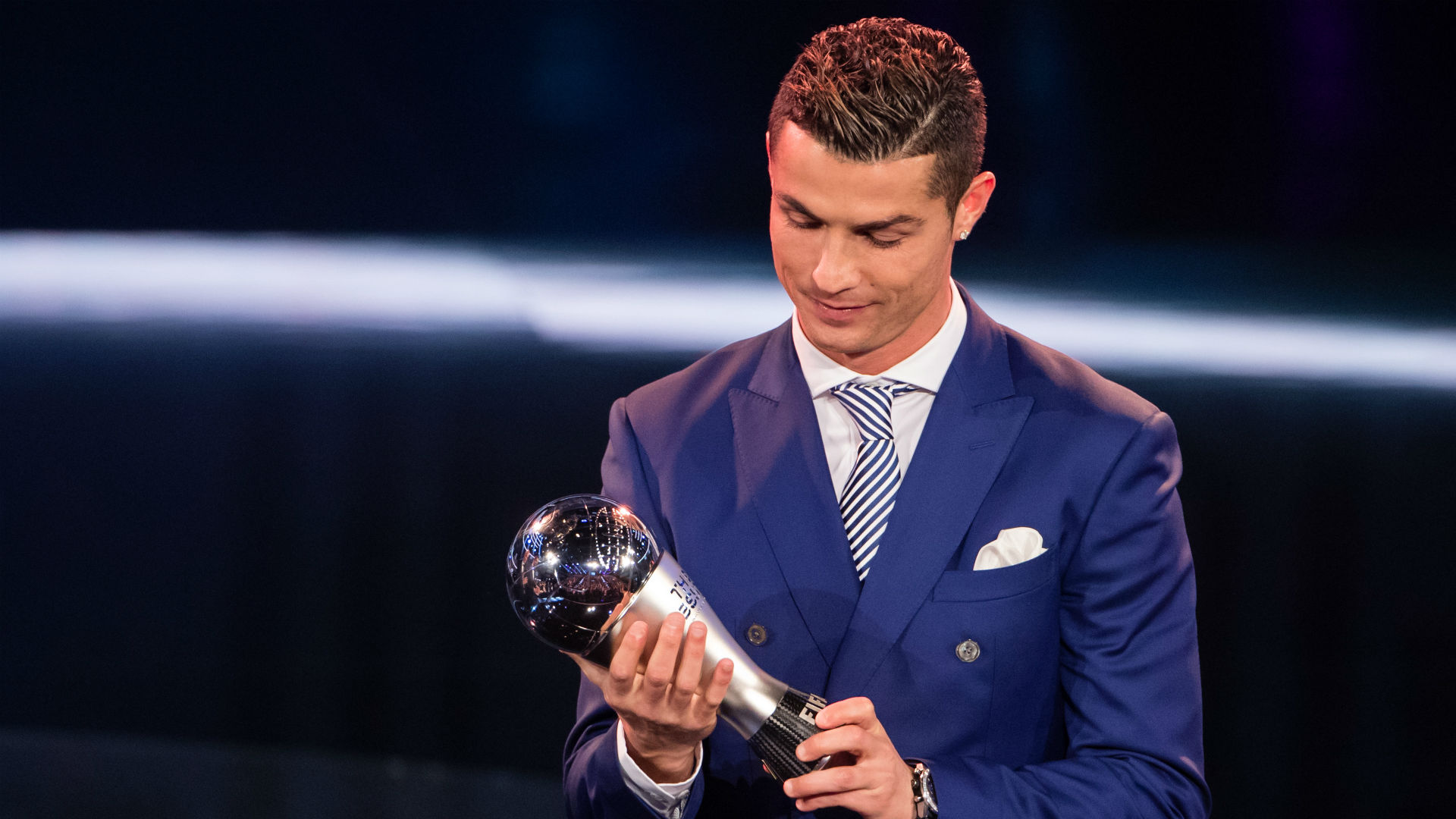
Cristiano Ronaldo retirement plans have become one of the most interesting conversations in football because the end of his playing career will represent much more than a sporting announcement.
For more than two decades, his professional life has revolved around training, matches, competition, travel, recovery and the relentless pursuit of another achievement.
Now, at 41, he has announced his departure from Portugal's national team. He has also indicated that the current season could be his last as a professional footballer.
What happens when someone whose identity has been built around being one of the world's most competitive athletes suddenly has to organise life without regular professional football?
I think this is the most interesting question surrounding Ronaldo's next chapter.
The Final Playing Chapter
Ronaldo remains an Al Nassr player
His international retirement does not automatically end his club career. However, his August interview with Vogue suggests that he is thinking seriously about life beyond professional football.
He spoke about travelling, enjoying time with family and playing padel, among other interests.
He also acknowledged that football could leave a significant gap in his life.
That statement is important because retirement is not simply about stopping work.
For professional athletes, it can mean losing a routine, a team environment, a competitive identity and the daily structure that has organised much of adult life.
Ronaldo appears to recognise that the transition requires preparation.
The Businessman Behind CR7
One of the most obvious areas of interest is business.
Ronaldo has developed a commercial identity that extends beyond his playing career.
The CR7 brand has been associated with fashion, fragrances, hospitality and other consumer businesses.
His commercial partnerships and public profile have also made him an influential figure in global sports marketing.
He has demonstrated that an athlete can build a business identity while still competing professionally.
That is a significant distinction.
Many athletes wait until retirement before thinking seriously about what comes next. Ronaldo has spent years developing commercial opportunities alongside his sporting career.
However, there is a difference between being a successful brand ambassador and operating a sustainable business.
The real test of his commercial legacy will be how well those ventures perform independently of his footballing fame.
Could He Remain In Football?
I would not be surprised if football remains part of Ronaldo's future.
That does not mean he will necessarily become a manager or take a conventional coaching position.
There are several possible directions.
He could invest in football clubs, support youth development, build sports academies, participate in football-related business ventures or become involved in mentoring and talent development.
These are possibilities rather than confirmed appointments or announcements.
His understanding of elite preparation, professional competition and the commercial side of football could be valuable in several areas.
But coaching is a different profession from playing.
Being an exceptional footballer does not automatically make someone an exceptional manager.
That distinction is worth remembering.
The Father And Family Chapter
There is another part of Ronaldo's future that deserves attention.
His family.
His eldest son, Cristiano Ronaldo Jr, is now progressing through Portugal's youth football system and Al Nassr's academy.
The teenager has just received his first Under 17 national team call up.
For supporters, the possibility of father and son sharing a professional pitch is an exciting prospect.
For Ronaldo, however, there may be a more important reward in simply having more time to watch his children grow.
He has previously expressed interest in playing alongside his son, but has also acknowledged that the decision ultimately depends on the younger footballer's development.
I find this a particularly human side of the retirement story.
Football supporters see the records, trophies and celebrations. They do not always consider the years of family time that professional sporting careers demand.
A successful retirement may be measured as much by the quality of life after football as by the trophies collected before it.
The Road To 1,000 Goals
There is also one sporting milestone that continues to attract attention.
Ronaldo's pursuit of 1,000 career goals.
The exact total should always be checked against the date and the competition scope used, because different statistical databases can classify goals differently.
Nevertheless, the ambition has become a defining part of the final chapter of his career.
The interesting thing is that Ronaldo's retirement announcement has not ended the conversation about records.
Instead, it has added urgency to it.
Every match now carries a slightly different significance.
The audience is no longer simply watching a superstar maintain his position. It is watching a player approach the final stages of a career that may never be repeated in quite the same way.
What Ordinary People Can Learn From Ronaldo
I do not believe the lesson of Ronaldo's career is that everybody should work harder until they become the best in the world.
That is not practical advice. It is a motivational poster wearing football boots.
There are more useful lessons.
First, build transferable skills.
Ronaldo's success has not depended on one physical attribute. He has repeatedly adapted his game as his body, age and footballing environment changed.
The same principle applies to business and professional life.
A person who knows only one way to earn money is more vulnerable when circumstances change.
Second, take preparation seriously.
His career has placed enormous emphasis on physical conditioning, recovery and professional discipline.
For ordinary people, the equivalent might be developing financial habits, learning new skills, maintaining professional relationships and looking after personal wellbeing.
Third, understand the value of reputation.
Ronaldo has built an enormous public identity. His name carries commercial value because millions of people recognise it.
For entrepreneurs, freelancers and professionals, reputation can become one of the most valuable long-term assets.
Fourth, plan beyond your current success.
This is perhaps the biggest lesson from the present moment.
A person should not wait until a job, business or career ends before thinking about the next stage.
Build savings. Develop additional skills. Explore investments carefully. Create relationships beyond your immediate professional environment.
And remember that success should give you more choices, not simply more responsibilities.
The Meaning Of A Sporting Legacy
Ronaldo's international retirement is a reminder that even extraordinary careers eventually reach a point of transition.
The records will remain. The trophies will remain. The goals will remain available for future generations to watch.
But the player himself will eventually move into a different kind of life.
In my view, his greatest challenge may not be finding something to do after football.
It may be learning to enjoy a life in which he does not have to prove something every weekend.
For someone who has spent decades competing with the world's best, that could be a surprisingly difficult adjustment.
And perhaps that is the lesson worth taking away.
Build something meaningful. Protect what matters. Prepare for change. And understand that your identity should be bigger than the job you currently do.
Football gave Cristiano Ronaldo an extraordinary platform.
What he does with the rest of his life will be another story worth watching.